HYBRIDTOWER — Event Wi-Fi Revenue Platform
HYBRIDTOWER · Event connectivity and services

Turn required light towers into a Wi-Fi revenue engine.

Major outdoor events already rent light towers and distribute them across their grounds. We propose using that deployment as the foundation for paid event Wi-Fi, creating an additional revenue opportunity from equipment the event already needs.

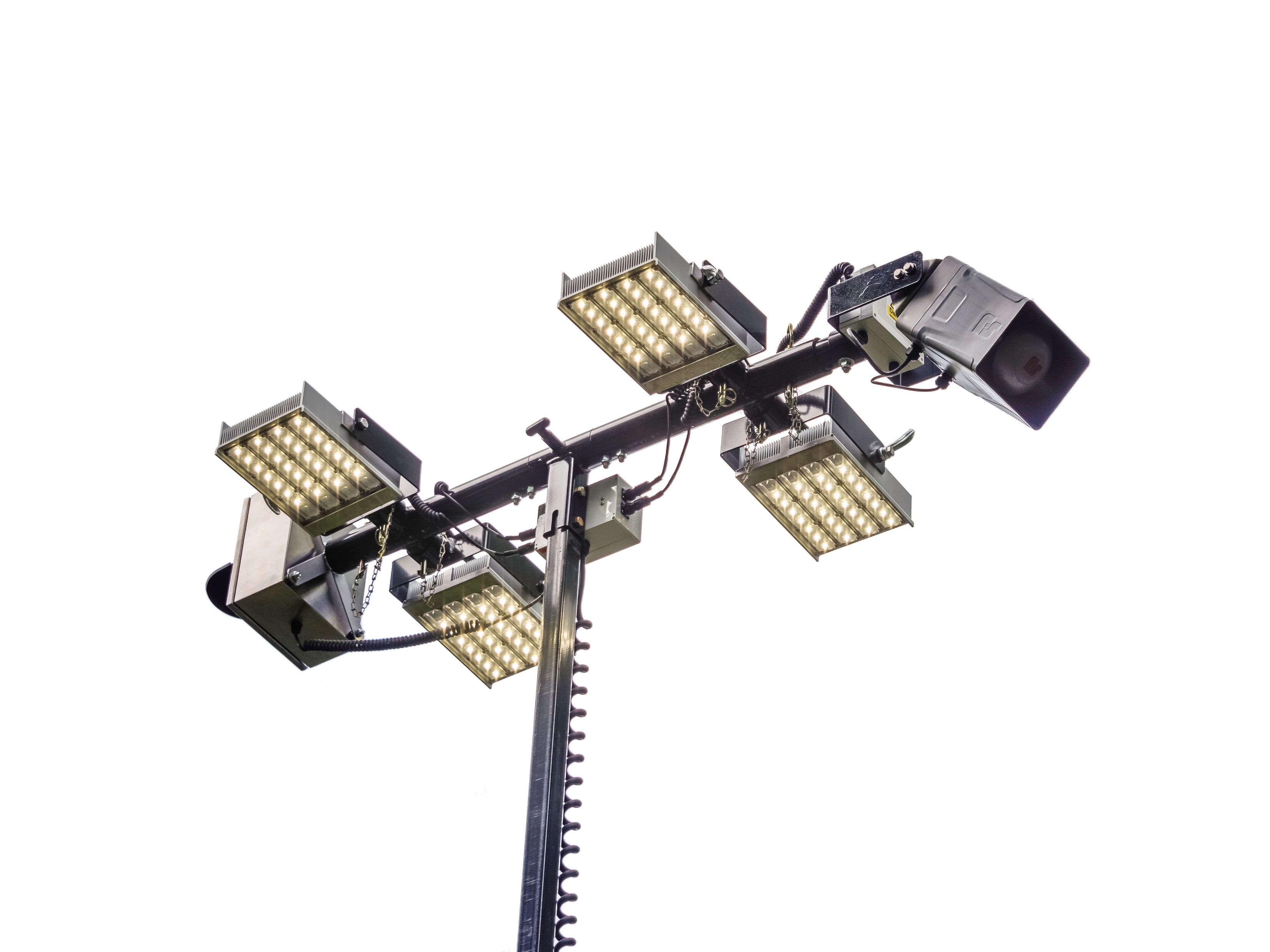
HYBRIDTOWER provides the lighting and hybrid power platform. The proposed business would combine that platform with an event-specific network design, sell connectivity to attendees, and share revenue with the event operator.

HYBRIDTOWER mast and lighting equipment
Lighting and hybrid power · A platform for event services

The crowd creates the demand

A venue’s communications infrastructure may serve its normal activity adequately, then struggle when thousands of attendees arrive at once.

Our concept addresses that temporary demand with a distributed Wi-Fi network supported by HYBRIDTOWER units. Each deployment would require a site assessment to establish tower placement, internet backhaul, and capacity.

More value from an essential rental

For the event operator, lighting becomes the foundation for additional services. Revenue sharing from paid Wi-Fi and advertising would help offset tower rental costs.

For the proposed business, the same fleet supports equipment rental and connectivity revenue. Selected attachments would add services without requiring every event to purchase the entire package.

Wi-Fi first, with services tailored to the event

Paid Wi-Fi is the central commercial opportunity. Depending on customer requirements, deployments would also include video surveillance, mass notification, advertising, and other evaluated safety or monitoring systems.

The interactive model lets investors explore how attendance, paid adoption, pricing, and revenue sharing affect the illustrative economics.

Keep the fleet earning between events

Event bookings may leave HYBRIDTOWER units idle between deployments. During those gaps, the new company can rent units into the general light tower market and earn revenue while the fleet would otherwise sit unused.

How to read the 20% sliderIt estimates the share of available time between event bookings that the fleet is rented in the general light tower market. At 20%, units are assumed to be rented for 20 out of every 100 available non-event days.

Re-rent through a rental company

The new company rents units to an established rental company, which then rents them to its customer.

Why it works: The partner can meet temporary demand without buying equipment. The partner uses its existing sales, delivery, and service network; the new company earns revenue from otherwise idle towers.

Rent directly to the customer

The new company contracts with the end customer and rents the HYBRIDTOWER units directly.

What it requires: The new company must arrange the sales, delivery, and service needed for the rental, either with its own team or through service partners.

See a practical example

If TVA needs light towers, a re-rent could have the new company rent units to United Rentals, with United Rentals handling its rental to TVA. A direct rental would have the new company contract with TVA and arrange delivery and service itself or through providers.

Our vision

Build a repeatable temporary infrastructure service for major outdoor events, using a reusable fleet and service packages designed for each venue.

The next stage is to develop the service for commercial event deployments, with expansion to additional events and, over time, applications such as construction sites and disaster response.

*“As little as one year” is an illustrative company payback estimate under the proposed scenario, not a demonstrated result or guarantee. Actual payback depends on total capital invested and cumulative net cash generated after operating costs. The current model does not yet include a complete cash-flow calculation to substantiate that estimate.